
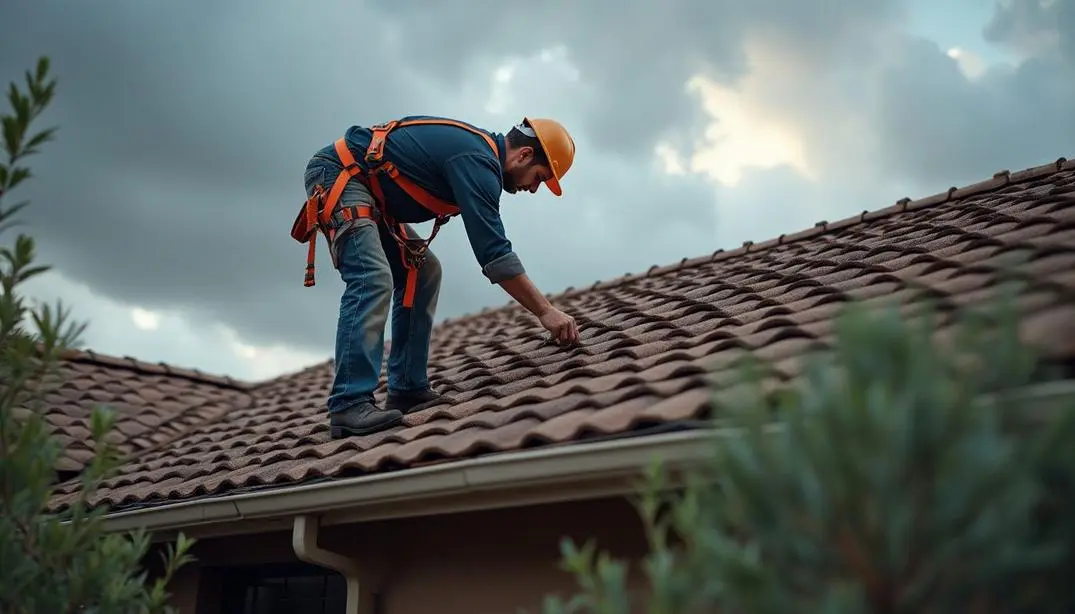
If you live in Gilbert, Arizona, you’re no stranger to the annual monsoon season. From July through September, intense rain, heavy winds, and dust storms sweep through the area, often leaving behind a trail of destruction—especially for homes with roofs that aren’t prepared for such extremes. Ensuring your roof is ready before the storms hit can mean the difference between costly repairs and smooth sailing.
TLDR – Quick Guide:
- Monsoon storms: They bring strong winds, heavy rain, and debris that can severely damage your roof.
- Common damages: Roof leaks, broken shingles, water pooling, and structural issues.
- Pre-monsoon preparation: Inspections, repairs, and replacements are essential to protect your home.
- Why it matters: A well-prepared roof can save you from major damage, protect your home’s structure, and prevent expensive repairs.
Detailed Breakdown
How Monsoon Storms Can Damage Your Roof
Arizona’s monsoon season can unleash a perfect storm of hazards that test your roof’s durability:
- Heavy RainsMonsoon rains are intense and prolonged, often overwhelming your roof’s drainage system. Without proper maintenance, your roof can develop leaks or allow water to pool, weakening the structure.
- High WindsMonsoon winds can reach speeds of over 60 mph, strong enough to tear off shingles, dislodge flashing, and even uproot entire roofing sections. This wind can also turn debris like branches into flying missiles that dent or puncture your roof.
- Hail and DebrisWhile not as frequent, hailstorms during monsoon season can cause significant damage. Hail can crack shingles or tiles, leading to leaks, while flying debris can cause punctures or dents that compromise your roof’s integrity.
- Dust Storms (Haboobs)Gilbert is known for its dust storms, which can clog gutters and vents, reducing your roof’s ability to drain water and leading to potential issues like water damage and mold growth.
Why Pre-Monsoon Roof Replacements Are Beneficial
If your roof is already worn out or has been showing signs of damage, now is the time to consider a pre-monsoon roof replacement. Here’s why it makes sense:
- Prevent Leaks and Water DamageMonsoon rains find the weakest point of your roof, and even a small crack can turn into a waterfall inside your home. A new roof eliminates weak spots and gives you peace of mind during those torrential downpours.
- Increase Wind ResistanceNewer roofs are built with modern materials designed to withstand extreme weather, including the high winds that come with monsoon season. By replacing your roof, you’re fortifying your home with the latest storm-resistant technology.
- Energy Efficiency BoostA pre-monsoon roof replacement isn’t just about protection—it’s also about comfort. Modern roofing materials provide better insulation, helping you keep your home cooler during the sweltering Arizona summer, which means lower energy bills.
- Avoid Emergency RepairsNothing is worse than dealing with emergency roof repairs in the middle of a storm. By replacing your roof before monsoon season, you’re avoiding the last-minute panic and higher costs that often come with urgent fixes.
Essential Pre-Monsoon Roof Prep Steps
- Schedule a Professional Roof InspectionA professional roofer will assess the state of your roof and identify any weak spots. They’ll look for cracked tiles, damaged flashing, loose shingles, and potential leaks that need to be addressed before the storms hit.
- Repair or Replace Damaged SectionsIf your roof is still in good condition but has a few damaged spots, now is the time to fix them. Loose shingles, cracks, or compromised flashing should be repaired promptly to avoid bigger issues later.
- Clean Gutters and DownspoutsClear your gutters and downspouts of leaves, dirt, and debris. Blocked drainage systems can cause water to pool on your roof, which can lead to leaks and water damage.
- Trim Overhanging TreesBranches hanging over your roof can break off during a storm and cause significant damage. Trim back any trees to minimize the risk of debris crashing onto your roof during a monsoon storm.
- Consider Installing Impact-Resistant ShinglesIf you live in a hail-prone area, upgrading to impact-resistant shingles can protect your roof from damage caused by hail or flying debris.
Key Takeaways
Preparing your Gilbert roof for monsoon season is not something to put off until the last minute. Monsoon storms can cause significant damage through high winds, heavy rain, and flying debris. Ensuring your roof is in top condition through inspections, repairs, or even a full replacement can save you from costly repairs and provide you with peace of mind when the storm clouds gather.
Protecting your home now means avoiding major damage later.
FAQs
1.How often should I inspect my roof before monsoon season?
It’s recommended to have your roof inspected at least once a year, ideally in early summer before monsoon season begins. This allows time to address any potential issues.
2. Can monsoon season really damage a new roof?
While newer roofs are more resilient, monsoon storms are intense. Even new roofs should be inspected for minor issues like debris buildup or flashing defects that could cause problems if left unattended.
3. What are the most common roof problems during monsoon season?
Leaks from cracked shingles, loose flashing, water pooling due to poor drainage, and wind damage are the most common roof problems during monsoon season.
4. Is it worth investing in a full roof replacement just for monsoon season?
If your roof is nearing the end of its lifespan or has visible damage, a pre-monsoon roof replacement can save you from costly emergency repairs and protect your home for years to come.
5. Can I handle roof prep myself, or should I hire a professional?
While basic tasks like cleaning gutters can be DIY-friendly, roof inspections and major repairs should always be handled by a professional roofer to ensure safety and quality work.